
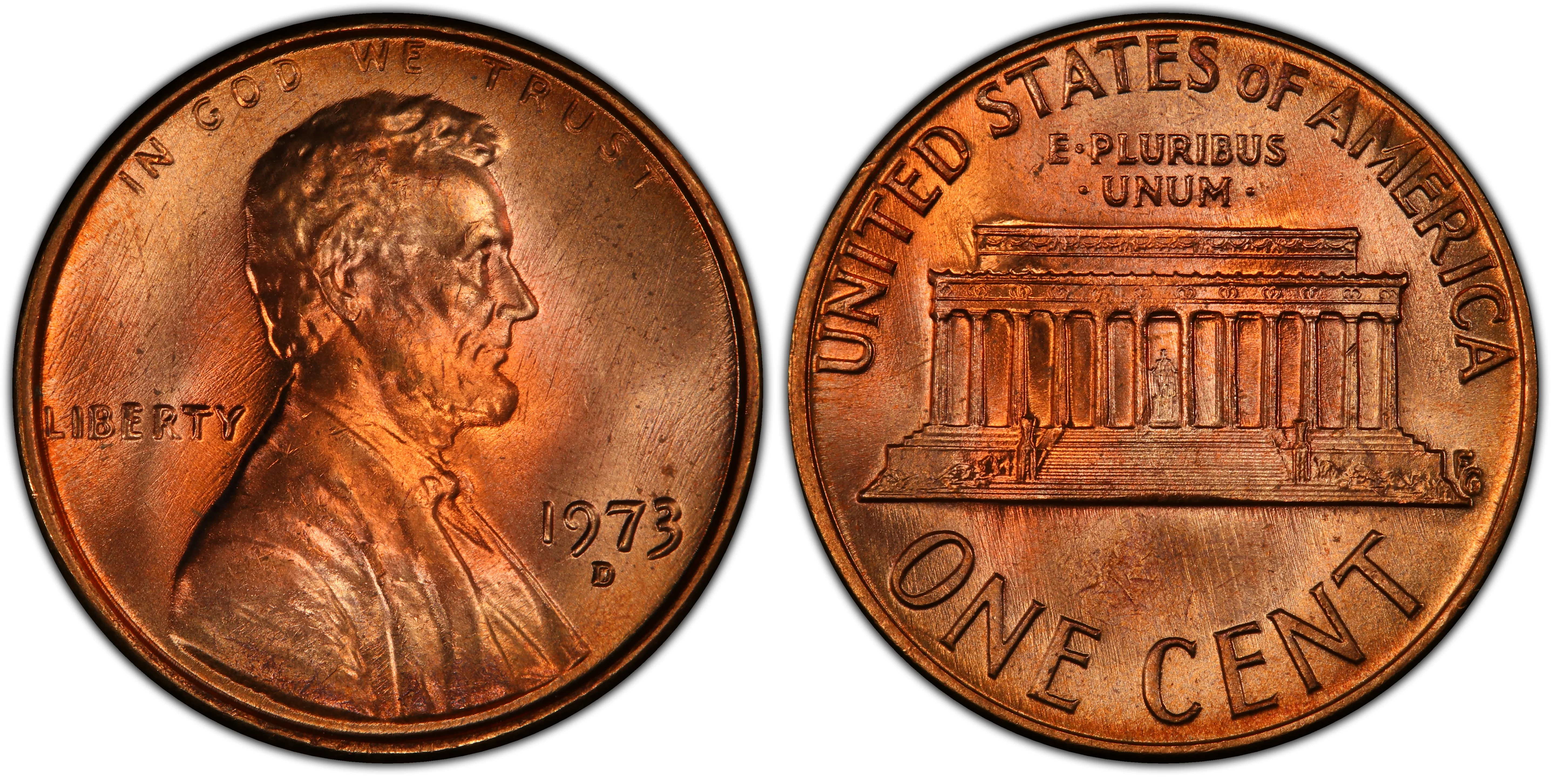
Circulated 1973 penny value starts at $0.01. Average quality Extra Fine coins cost $1.40–$2.00. High grade MS67 copies sell for $384.00, while a rare 1973-D MS67+ record price stands at $990.00.
Condition | 1973 No Mint Mark | 1973-D | 1973-S |
Circulated | $0.01–$0.05 | $0.01–$0.05 | $0.01–$0.05 |
MS-65 Red | $5.00–$12.00 | $5.00–$10.00 | $3.00–$5.00 |
Proof PR-65 | N/A | N/A | $1.50–$7.00 |
Detailed Mint Mark Analysis
Production volume figures determine supply levels for date variants. Philadelphia facility produced coins without mint marks.
Denver facility produced coins with D marks. San Francisco facility produced proof coins with S marks. Market data shows D mark coins often carry slight premiums in high grades.
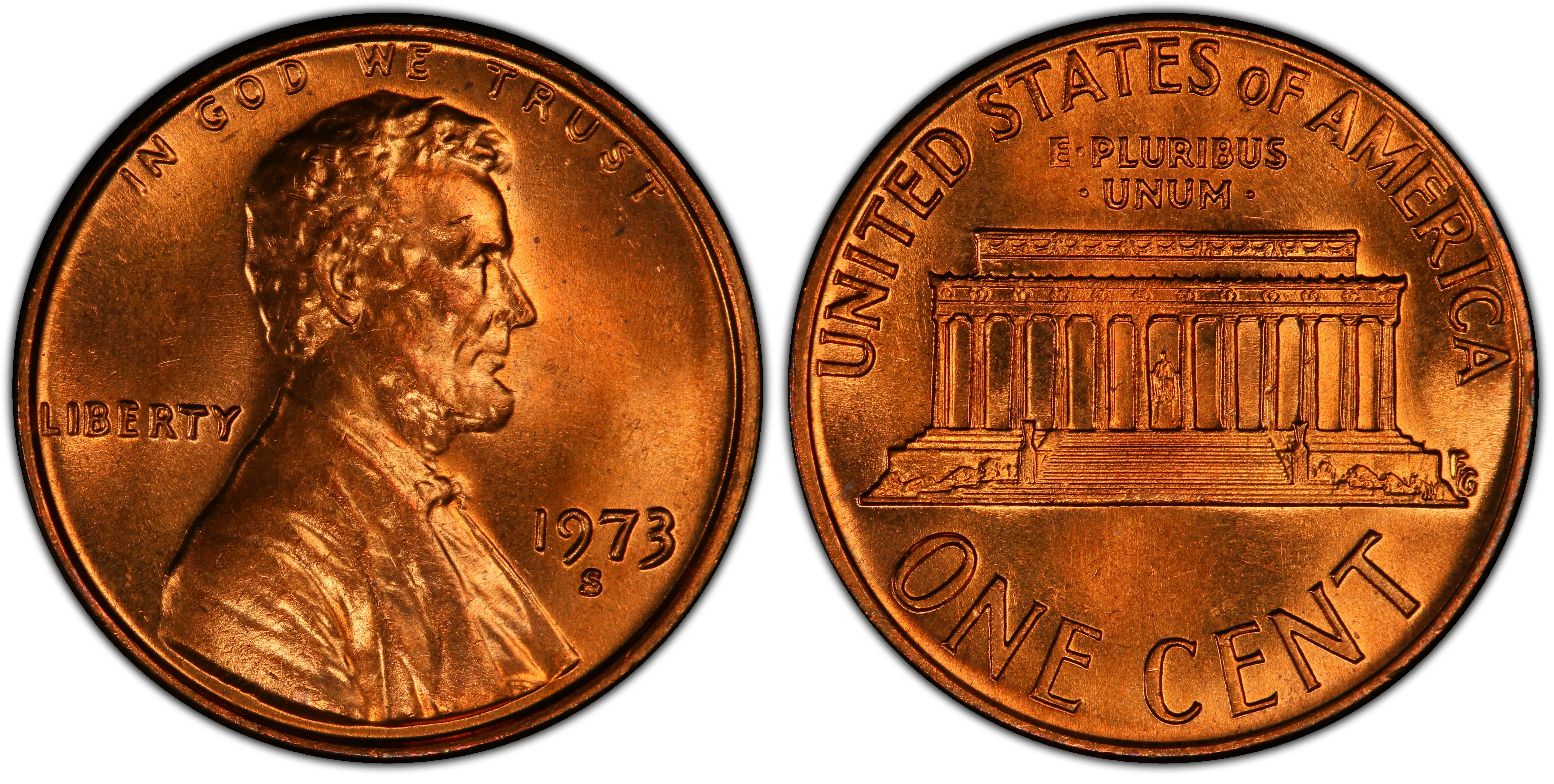
S mark proof coins require special handling. Scratches on S mark proof field surfaces reduce price by 90%.
Technical Parameters
Coin metal mix uses 95% copper. Weight for every piece is 3.11 grams. Diameter is 19.00 millimeters. Thickness measures 1.52 millimeters.
These technical specs help identify counterfeit items. Collectors use digital scales for weight verification. Calipers verify diameter accuracy.
Weight variations above 0.05 grams suggest fake material.
Professional Grading Standards
Grading systems rank surface wear levels. Self grading check needs ten-power magnifying glass use.
Abraham Lincoln hair wear study helps filter low grade coins fast. Professional PCGS or NGC certification confirms coin status, increasing final sale price.
Uncertified coins cost 30–50% less than certified ones because buyers doubt subjective grading. Detailed grading charts show value differences between high and low tiers. High tier coins show full luster coverage. Low tier coins show brown color transition.
Grade | Estimated Price |
VF-20 | $1.00–$2.50 |
XF-40 | $2.00–$4.00 |
AU-50 | $3.00–$6.00 |
MS-63 | $5.00–$15.00 |
MS-65 | $15.00–$45.00 |
MS-67 | $250.00–$400.00 |
Error Coin Profit Potential
Minting errors raise coin value to hundreds or thousands of dollars. Investors search for these anomalies, inspecting large volumes.
Error rarity increases price significantly. Market demand for error coins remains high among specialized collectors. Check for these common error types:
Double Die Variety
Image element doubling from die shift adds $50.00–$400.00 to price depending on strength. Clear doubling on date numerals increases item value.
Major doubling attracts more bidders at auctions. Minor doubling requires expert confirmation for top pricing.
Off Center Strike
Die shift from blank leads to edge gaps, worth $5.00–$100.00. Percentage of strike determines total price.
Strikes showing full dates sell faster. Partial date strikes sell at lower price points.
Wrong Planchet Error
Ten-cent piece metal blank used for striking, silver color and smaller size. Record price for this artifact is $26,400.00. Silver color identifies this error immediately. Weight check confirms metal content difference.
Authenticity papers raise resale price by 20%.
Storage Methodology
Storage environment impacts long term profit. Polyvinyl chloride plastic holders release substances damaging copper surface over time.
Many collectors lose profit using cheap holders.
Replacing these holders with acid-free versions protects asset from degradation. Coin value with polyvinyl chloride impact signs drops to face value because restoring original red luster is impossible.
Use capsules for individual coin storage. Keep albums in dry boxes.
Historical Price Performance (2022–2026)
Market demand for MS67 grade coins remains stable. MS67+ RD price in 2022 was $810.00. Current 2026 price reaches $990.00.
22% price increase confirms rare grade coin investment potential. Low grade coins show stagnation, price stays flat.
Data analysis shows clear separation between high grade and average grade price trends. Investors favor top condition assets.
Buying Strategy
Buy coins with clear certification. Check auction records for current price history. Inspect photos for surface damage. Avoid impulse buys on secondary market without price reference checks.
High volume buying requires specific error knowledge. Compare prices across major auction platforms.
Only buy coins with visible detail lines. Filter listings by grade status.
Selling Strategy
Sell certified coins for maximum profit. Provide clear photos for potential buyers. List coins on established numismatic platforms.
Bundle low value coins for lot sales. Set prices based on recent auction sales.
Negotiate based on market data. Clear descriptions attract serious buyers. Timing sales during market highs increases returns.
Real Life Profit Loss Examples
One collector lost 80% value by improper coin cleaning. Chemical liquid removal destroyed natural patina.
Another buyer bought uncertified coin online with high expectations. Professional grading later confirmed lower grade status, causing financial loss. Many people ignore environment humidity.
Moisture causes surface corrosion spots. These spots prevent top grade assignment. Losses mount when ignoring basic protection rules.
Common Collector Mistakes
Most mistakes involve handling coins with bare fingers. Finger oils leave permanent stains on copper surface.
Storage in heat accelerates metal aging. Ignoring edge details causes missed error identification.
Overestimating coin grade leads to buyer disappointment. Lack of research results in wrong purchase prices.
Too many collectors trust unverified online sources. Verify every claim with independent data.
Investment Advice
Sort coins by color (Red, Red-Brown, Brown).
Minimize physical contact with coin surface.
Prioritize expensive piece professional certification.
Store collection in dry cool room.
Monitor auction platforms for current market trends.
Build knowledge base on specific mint mark variations.
Diversify coin holdings across different grades.
Keep accurate records for tax purposes.
Focus remains on condition rarity. Final price depends on physical object perfection, not date rarity.
Investing in these coins needs deep grading knowledge and error coin caution. Always require high quality obverse and reverse photos when buying to avoid damaged surface pieces.
Any field scratch on MS67 coin lowers value to MS65 level, equal to losing hundreds of dollars. Coin work needs patience and detail focus, turning common cent into capital preservation tool.
Constant grading method learning and price monitoring at auctions are success keys. Grading knowledge pays off with every profitable deal.
Analyze market, check every detail, and investments will bring expected return.